By K-Rach Properties | Published: [Date] | Category: Market Insights
If you’ve tried renting an apartment in Owerri, Enugu, Aba, or any major city in South East Nigeria recently, you already know the pain. A 2-bedroom flat that cost ₦300,000 per year just five years ago now goes for ₦600,000 or more. Self-contained apartments that were ₦150,000 are now ₦350,000. And in premium areas, rents have crossed the ₦1,000,000 mark for what used to be middle-class housing.
It’s frustrating. It’s exhausting. And for many young professionals, families, and returning diaspora Nigerians, the rising cost of rent in the South East is becoming a serious financial burden.
But why is rent expensive in South East Nigeria? What’s driving these prices up year after year? And more importantly — what can you do about it?
In this article, we’re going to break down the 7 major factors that are making rent increasingly expensive across the Eastern region. Understanding these factors won’t just help you make sense of the market — it’ll also help you make smarter decisions about your housing future.
Because here’s the real truth: the best long-term solution to expensive rent is land and property ownership.
Factor 1: Rapid Urbanization and Population Growth
South East Nigeria is one of the most densely populated regions in the country. According to World Bank population data, Nigeria’s population continues to grow at approximately 2.4% annually, and this growth is disproportionately concentrated in urban and semi-urban areas.
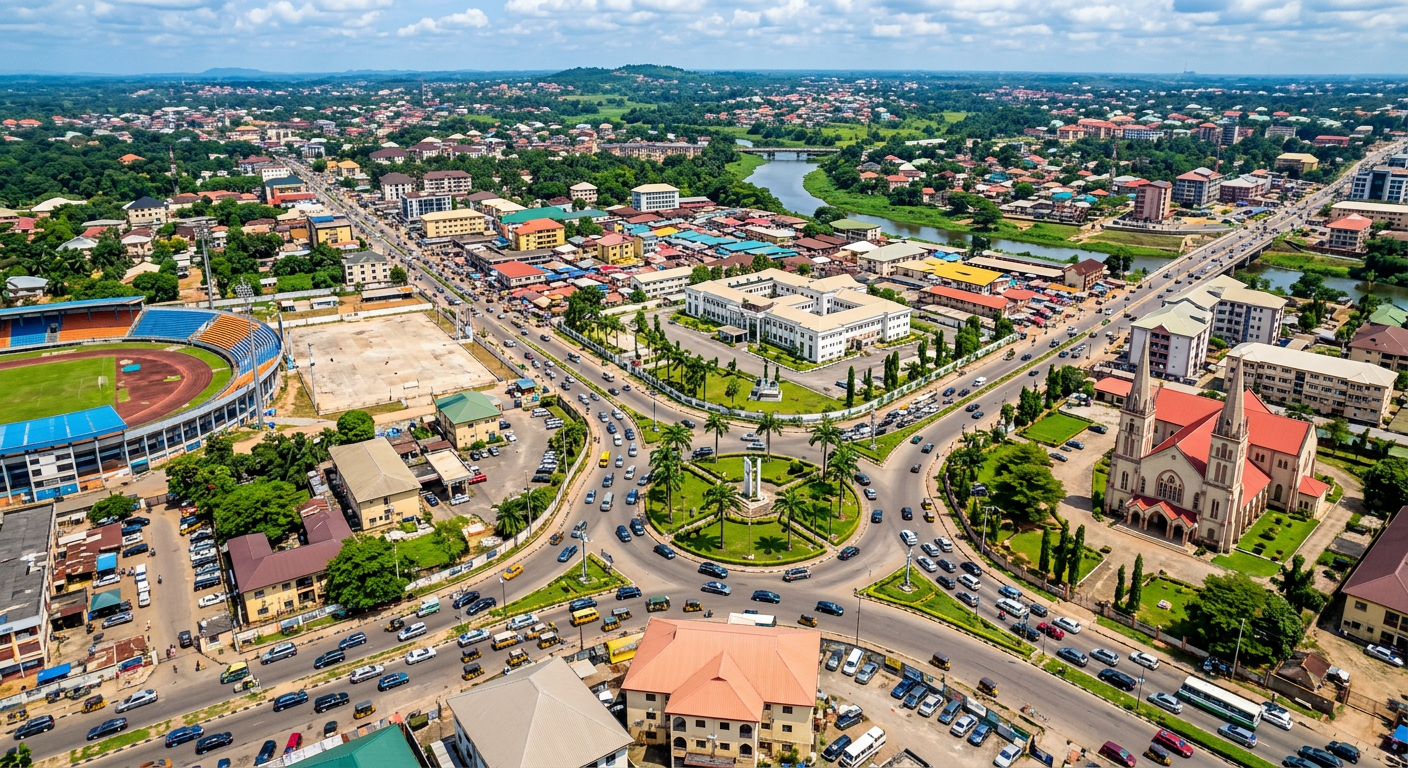
Cities like Owerri, Enugu, Aba, Umuahia, and Awka are experiencing rapid urbanization. People are moving from rural communities to these cities in search of education, employment, business opportunities, and better infrastructure.
The result? More people competing for the same limited number of available rental properties. When demand outpaces supply, prices go up. It’s basic economics.
Owerri, in particular, has seen massive population growth over the past decade. The city has expanded far beyond its original boundaries, absorbing communities like Avu, Nekede, Ihiagwa, Umuguma, and Naze into its urban fabric. But the housing supply hasn’t kept up with this expansion.
Factor 2: Limited Housing Supply
Despite the construction boom in the South East, the supply of quality rental housing remains far below demand.
Why is supply limited?
- High cost of building materials: Cement, iron rods, blocks, roofing sheets — the cost of construction materials in Nigeria has skyrocketed in recent years due to inflation, naira devaluation, and import costs. This makes it expensive for developers and individual landlords to build new rental properties.
- Land availability and cost: In established neighborhoods, available plots are scarce and expensive. Developers who want to build affordable housing often can’t find affordable land in locations where tenants want to live.
- Lack of large-scale housing development: Unlike Lagos, which has seen significant investment in large-scale housing estates, the South East has relatively few institutional housing developers. Most rental properties are built by individual landlords — one building at a time.
- Abandoned and uncompleted buildings: Drive through any city in the South East and you’ll see dozens of uncompleted buildings. Many landlords start construction but run out of funds before completing the project. These “abandoned” buildings represent potential housing supply that never reaches the market.
Factor 3: The “December Effect” and Seasonal Demand
If you’ve ever tried to find an apartment in Owerri or Aba between October and January, you know exactly what we’re talking about.
Every year, from October through December, thousands of Nigerians living in the diaspora and other parts of Nigeria return to the South East for the festive season. Many of them use this period to search for apartments, rent houses for their families, or invest in property.
This seasonal surge in demand creates what we call the “December Effect” — a temporary but significant spike in rental prices. Landlords know that demand peaks during this period, and many deliberately hold properties off the market until October so they can charge higher rents.
The result? Rental prices that were negotiable in July become non-negotiable in December. And many of those inflated prices become the new baseline for the following year.
Factor 4: Inflation and Currency Devaluation
Nigeria’s economy has been hit hard by inflation and naira devaluation. As the purchasing power of the naira drops, the cost of everything goes up — including rent.
How does inflation affect rent?
- Building costs increase: When it costs more to build, landlords charge more rent to recover their investment.
- Maintenance costs rise: Landlords pass on higher costs for repairs, security, water supply, generators, and other maintenance expenses to tenants through higher rents.
- Landlords need more income: Many landlords depend on rental income to survive. As their own living costs rise due to inflation, they increase rents to maintain their standard of living.
- Naira devaluation: Some building materials are imported and priced in dollars. As the naira weakens against the dollar, these costs increase and are ultimately reflected in rental prices.
Factor 5: Poor Urban Planning and Infrastructure
Most cities in the South East lack proper urban planning. Unlike cities like Abuja, which was master-planned from the beginning, cities like Owerri and Aba have grown organically — often without coordinated planning.
The consequences:
- Limited road networks: Many areas lack good access roads. Properties located on or near tarred roads command significantly higher rents because tenants value accessibility.
- Unreliable power supply: Areas with better electricity supply (or areas where power can be supplemented with solar or inverters) tend to have higher rents. Tenants factor in the cost of running generators when evaluating rent.
- Water scarcity: In many parts of the South East, there is no public water supply. Properties with boreholes are more desirable — and more expensive.
- Drainage and flooding: Areas prone to flooding have lower property values, but this also means that the “good” areas — those on higher ground with proper drainage — are in higher demand, pushing rents up.
The irony is that poor infrastructure limits the expansion of quality housing into new areas. Developers are reluctant to build in locations without good roads and electricity, so the same few well-serviced neighborhoods carry the bulk of rental demand.
Factor 6: High Demand from Students and Young Professionals
The South East is home to several major universities and polytechnics, including:
- Federal University of Technology, Owerri (FUTO)
- Imo State University (IMSU)
- University of Nigeria, Nsukka (UNN)
- Nnamdi Azikiwe University, Awka (UNIZIK)
- Abia State University, Uturu (ABSU)
- Federal Polytechnic, Nekede
Each of these institutions enrolls thousands of students every year. Most of them need off-campus housing. This creates a massive and consistent demand for rental properties in university towns.
In Owerri alone, the combined student population of FUTO, IMSU, and Federal Poly Nekede puts enormous pressure on the rental market — especially in areas like Ihiagwa, Naze, Nekede, and Umuchima.
Young professionals entering the workforce also contribute to rental demand. As the South East’s economy grows — particularly in trade, services, and oil-and-gas support industries — more young people are renting apartments in urban centers.
Factor 7: Cultural Factors and the “Home Building” Mentality
Here’s an interesting cultural dynamic that affects the rental market in the South East.
In Igbo culture, there is a strong emphasis on building a house in your home town or state. Many Igbo men and women consider it a life milestone to build a house “at home” — even if they live and work elsewhere in Nigeria or abroad.
This means that a significant number of buildings in the South East are built for owner occupation rather than for rental. Many houses are built, fenced, and left empty — waiting for the owner to retire home or use them during holidays.
The result? Fewer properties are available for rent than the total number of buildings would suggest. You can drive through neighborhoods in Owerri and see rows of beautiful houses — and most of them are locked up and unoccupied for most of the year.
This cultural pattern reduces the effective rental housing supply and contributes to the upward pressure on rents.
So What Can You Do About Expensive Rent?
Understanding why rent is expensive is important. But the real question is: what can you do about it?
Here are your options:
Option 1: Keep Renting (and Keep Paying More Every Year)
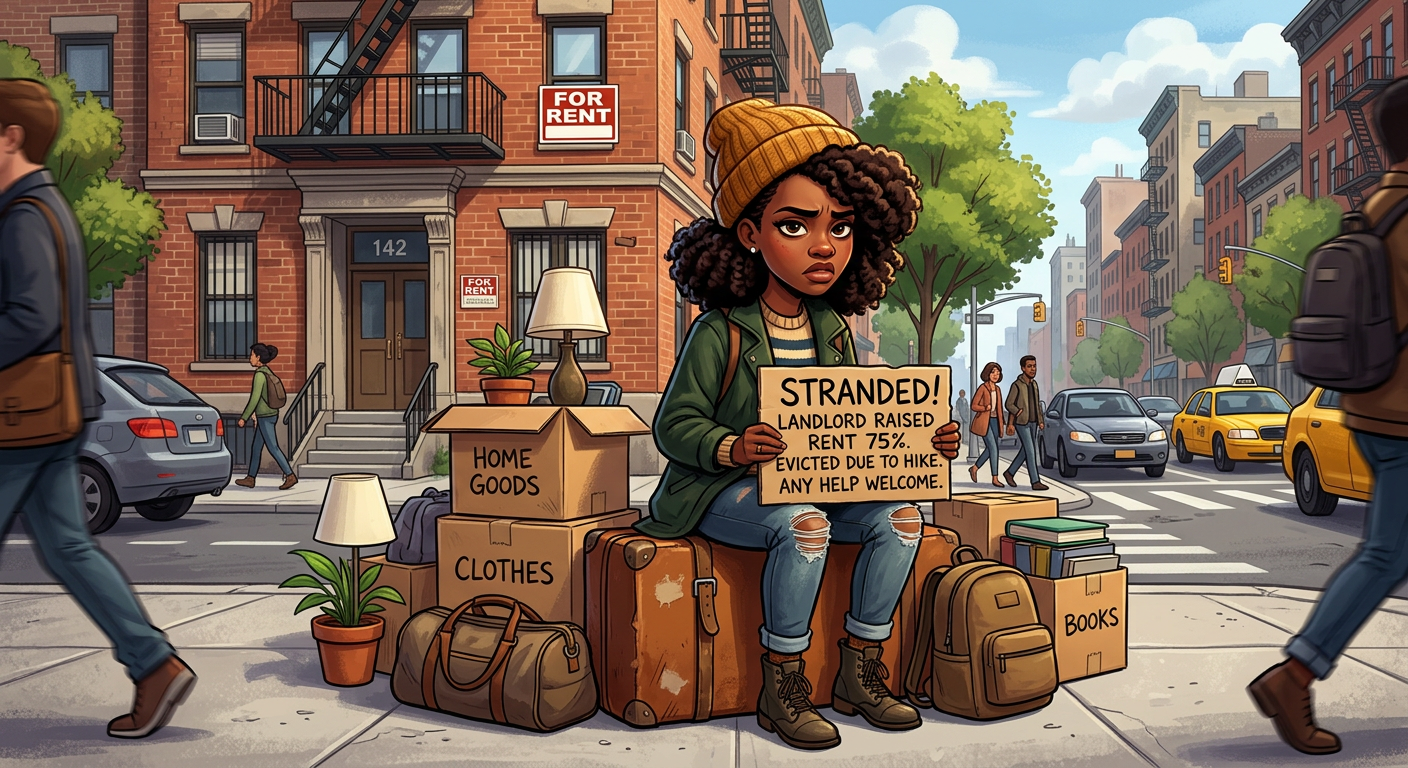
This is the path of least resistance — but also the most expensive in the long run. If rent keeps increasing at 10–20% per year, you’ll spend tens of millions of naira on rent over your lifetime — with nothing to show for it.
Option 2: Build Your Own House
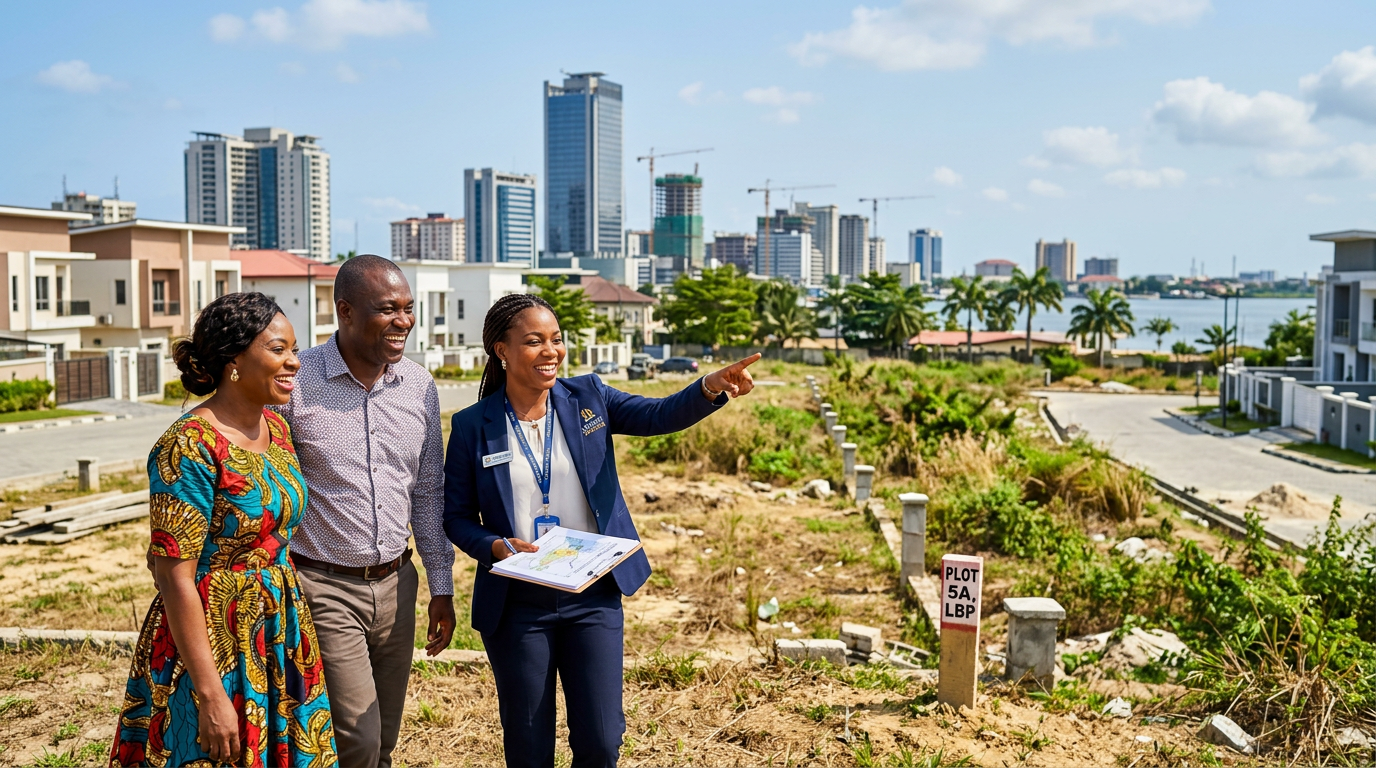
This is the dream for most people in the South East. And it starts with one thing: buying land.
When you own land, you have the foundation for your own home. You can build at your own pace. You stop paying rent. You build wealth that you can pass on to your children.
Option 3: Invest in Rental Property
If you’re entrepreneurial, you can buy land and build rental apartments. With the high demand for housing in the South East, rental property is one of the most reliable income-generating investments you can make.
The Best Time to Buy Land Is Now
Land prices in the South East are not going down. Every year, the same plot of land costs more than it did the year before. The longer you wait, the more you’ll pay.
K-Rach Properties makes it easy, safe, and affordable to own your own land.
Greenville by K-Rach Estate — Avu, Owerri offers:
- ✅ Residential plots of 50ft × 100ft
- ✅ Pre-launch promo price: ₦8,500,000 (actual price ₦9,500,000)
- ✅ Free bonus: 1,000 blocks + 10 bags of cement
- ✅ Full legal documentation (deed of assignment, survey plan, plot demarcation)
- ✅ Immediate allocation after complete payment
- ✅ Tarred road access, developing neighborhood, excellent landmarks
Stop paying someone else’s mortgage through rent. Start building your own future.
📞 Call or WhatsApp: 08163520062
📧 Email: Krachproperties@gmail.com
🌐 Website: krachproperties.com